US and Russia Veto Clashing Plans for Western Sahara Mission
Both nations blocked competing drafts at the UN Security Council, leaving the peacekeeping mandate in limbo.
By Stephen Collins ·
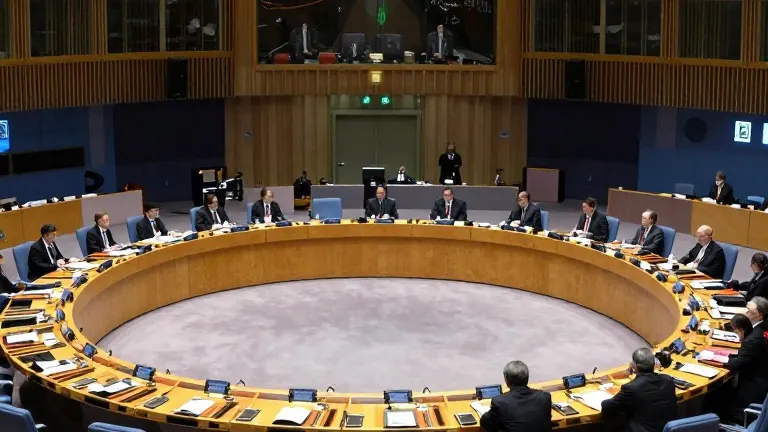
The United States and Russia each vetoed a rival resolution on Friday regarding the UN peacekeeping force in Western Sahara, leaving the mission without a mandate. The Security Council deadlocked over a long-running dispute concerning Morocco's autonomy plan for the disputed territory.
The first vote addressed a US draft that sought to establish Morocco's autonomy proposal as the sole basis for negotiations. It would have shortened the mission's name by removing the word referendum, changed the military component, and extended the mandate for one year. Russia opposed the draft, arguing that the council should not pre-determine matters relating to sovereignty.
Russian UN Ambassador Vassily Nebenzia stated that the council must not give a blessing to such a one-sided approach. He added that his country was compelled to block adoption of the draft. Following this, the United States vetoed a second resolution drafted by Russia. That alternative would have extended the mandate for another year without changing its terms. Eleven members voted against the Russian draft.
US Ambassador Michael Waltz addressed voter eligibility disputes, saying the UN has not held a referendum in decades. He stated that UN officials have been telling the United States this reality for 30 years. Waltz added that some council members used their veto to preserve the letter R for referendum in the mission's name. Nebenzia described the US action as the political murder of the mission.
The mission, known as Minurso, was established to organize a referendum under a UN-brokered ceasefire. It currently has 155 military personnel. A report by the UN secretary-general estimated that the mission would cost $62 million in the financial year that began in June. Oxfam warned that losing the mission's monitoring and de-escalation functions risks undermining security and stability for civilians.
The dispute centers on Western Sahara, a territory where the Polisario Front has sought an independent state since Spain withdrew as the former colonial power in 1976. Morocco claims historical rights to the region, which it calls its southern provinces, and has invested in its infrastructure. Most Sahrawis live in the part of Western Sahara under Moroccan control, while tens of thousands live in refugee camps run by the Polisario in Algeria.
France and the United Kingdom, the council's two other permanent European members, backed the US resolution. Last year, the Security Council endorsed Morocco's autonomy proposal as a basis for resolving the conflict. The council also asked UN Secretary-General Antonio Guterres to review the peacekeeping mission.
The US draft would have required the UN refugee agency to conduct a census of refugees living in the camps. The Security Council has routinely extended the mission's mandate in previous years.
Source: Middle East Eye