
Qatar Sets 2031 Target for Defense Autonomy
Doha plans a five-year shift to reduce reliance on Washington, focusing on integrated air defense and critical infrastructure protection.
By Alejandro Ruiz ·
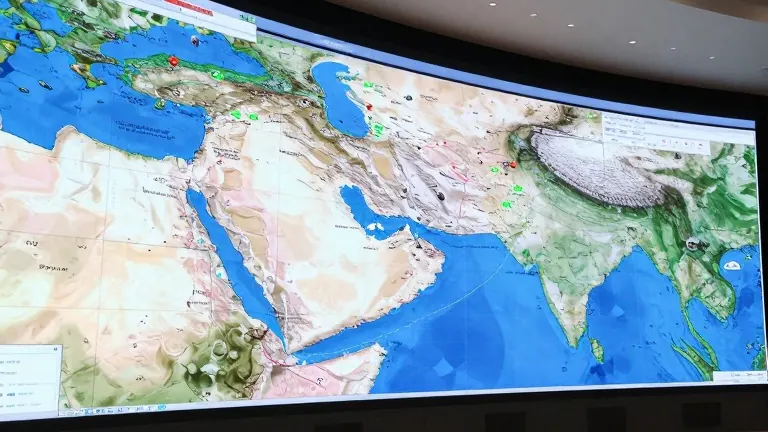
Qatar has set a target date of 2031 to achieve defense autonomy, a strategic goal designed to allow the small Gulf state to protect its vital interests without depending on external security guarantees. The plan responds to recent regional developments that have raised questions about the reliability of current security arrangements for Gulf Cooperation Council states. By building specific national capabilities, Doha aims to ensure it can withstand attacks and maintain continuity even if the United States provides only limited assistance.
The strategy is not intended to create an army capable of defeating a major regional power in all-out war. Instead, it focuses on realistic objectives for a small state. These include detecting threats before they reach Qatari territory, absorbing an initial strike, and keeping political and economic activities functioning during a crisis. The goal is to impose high costs on an aggressor to force a reconsideration of their actions, rather than seeking total military dominance.
The plan rests on six pillars, with the construction of an integrated air and missile defense system identified as the most immediate gap. Qatar currently possesses advanced fighter aircraft, but the new strategy requires a multilayered radar network and a unified national command center. By 2031, the system must function effectively without US forces. This includes integrating short, medium, and long-range defenses, expanding counter-drone capabilities, and maintaining large national stockpiles of ammunition and spare parts.
The air force will also be restructured for independence. The focus shifts from the number of aircraft to the ability to sustain operations for several weeks if supply lines are disrupted. Priorities include increasing domestic defense manufacturing, training more Qatari personnel for maintenance, and dispersing ammunition stockpiles. The state will also develop ground and aerial refueling capabilities to strengthen logistical support.
Maritime security forms a second line of defense, given that Qatar’s economy depends on the uninterrupted flow of energy exports. The naval strategy aims not to build a large fleet, but to make attacks on maritime infrastructure difficult and costly. This involves expanding maritime surveillance, countering maritime drones, and securing shipping routes and ports.
A national resilience program will protect critical infrastructure, including gas facilities, water desalination plants, power stations, and data centers. The plan requires every sector to have adequate backup capacity. For example, if a major desalination plant stops operating, an alternative source of supply must be available to prevent a water shortage from becoming a national crisis.
To reduce dependence on foreign intelligence, Qatar will develop its own reconnaissance capabilities. This includes space-based assets, unmanned aerial vehicles, and artificial intelligence-driven data analysis. The state will combine commercial and military satellites with international partnerships to produce an independent national intelligence picture.
Finally, the strategy calls for diversifying security guarantees. While maintaining cooperation with the United States, Qatar will seek partnerships with South Korea, Türkiye, and European powers. It may also engage regional powers like Pakistan and China in specific fields. This approach aims to make Gulf security a matter of global interest, reducing the risks associated with reliance on a single external guarantor.
Source: Al Jazeera