Omar Khayyam: The Short-Lived 1901 Indian Restaurant on Fifth Avenue
Chef Ranji Smile opened the establishment in prime Manhattan real estate, but it closed within a year as customers reportedly tired of the exotic fare.
By Stephen Collins ·
In the late 1901, Ranji Smile opened Omar Khayyam at 325 Fifth Avenue in New York City. The restaurant was dedicated exclusively to Indian cuisine and occupied prime real estate one block from the original Waldorf-Astoria Hotel. Smile had previously worked as a curry cook at the Cecil and Savoy hotels in London before moving to the United States in the summer of 1899.
Smile arrived in New York to work at Sherry's Restaurant, a high-end establishment on Fifth Avenue that competed with Delmonico's. Louis Sherry, the owner, invited Smile to bring his culinary skills to the American market. At Sherry's, Smile served dishes such as Bombay duck and Lettuce Ceylon to wealthy patrons including the Astors. He performed as a showman, wearing a satin coat and blue silk turban while asking customers if they preferred their curry hot or mild. Newspaper headlines noted that New York women were enamored with the chef.
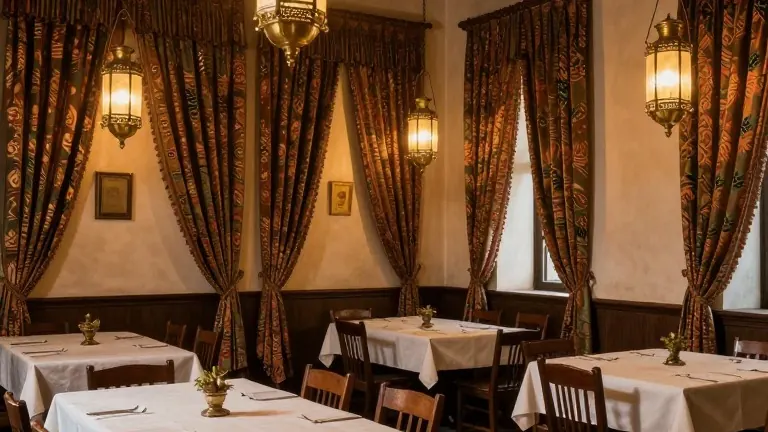
By 1901, Smile left Sherry's to launch his own venture. He secured financial backing from Roland R Conklin, a financier and inventor of an early motorhome. Smile decorated Omar Khayyam with Indian draperies and hanging lanterns. Staffing the restaurant were Indian waiters in voluminous turbans and a group of Indian musicians. The New York Herald reported on the elaborate setup, describing the scene as a new model for the American immigrant success story.
The restaurant closed within a year of its opening. The New York Sun attributed the failure to customers tiring of Indian food, dismissing the cuisine as a passing fad. Smile's public persona grew more complex following the restaurant's closure. He began claiming to be a prince and the son of the emir of Baluchistan. Before opening Omar Khayyam, he visited Bombay and recruited a retinue of staff, including valets, a dancing girl, and mahouts to drive elephants, which he claimed were part of his household for a coronation visit.
A federal case alleged that Smile illegally trafficked this staff into the United States to work at the restaurant. He evaded deportation, though many of his staff did not. He continued to reinvent his identity, marrying a series of young American women and promoting Indian food as a secret elixir for female beauty. He performed cooking demonstrations in Washington, D.C., and Chicago, where he claimed to be the brother of the great Beglerberg of Baluchistan. His legal troubles expanded to include the forcible confinement of a dancing girl and unpaid bills at a Manhattan Italian restaurant.
By the 1920s, Smile had largely abandoned cooking and listed his occupation as a merchant. The final recorded evidence of his life dates to 1937, when his fourth or fifth wife filed for an annulment in New York Supreme Court after he absconded. His legacy paved the way for later Indian restaurants in the United States. In 1909, Saint Nihal Singh published Indian recipes in the Chicago Daily Tribune. In 1913, KY Kira opened the Ceylon India Inn in Harlem, which remained in business until the late 1980s.
The Ceylon India Inn attracted Broadway and Hollywood stars and later moved near Times Square. It touts itself as the first Indian restaurant in America, a claim disputed by the existence of Smile's Omar Khayyam. Smile's brief tenure as a chef in New York ended in obscurity, but his 1901 establishment marked an early attempt to bring dedicated Indian dining to the American mainstream.
Source: BBC News