NYC raises SNAP fruit and veggie match
New York City will increase daily Health Bucks from $10 to $14 starting in January 2027, adding $2.3 million in local incentives.
By Alejandro Ruiz ·
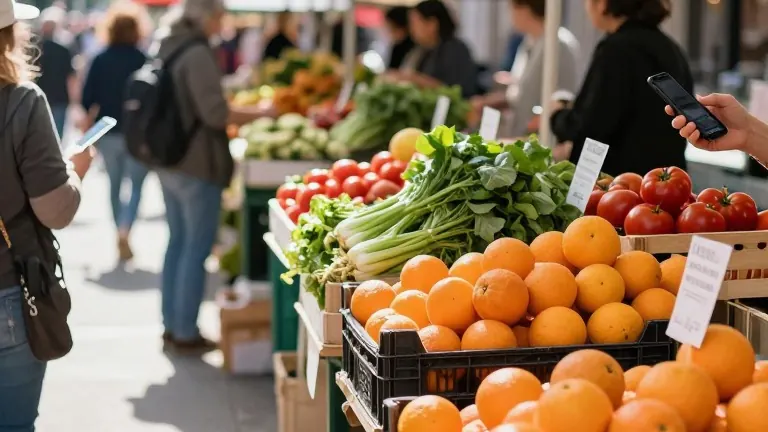
New York City will boost its incentive program for fresh produce purchases by 40% in 2027.
The administration of Mayor Zohran Mamdani announced on Thursday that the daily maximum for Health Bucks will rise from $10 to $14. This change takes effect in January 2027. The program matches SNAP spending on fruits and vegetables with local vouchers.
Three key changes accompany the announcement. First, the daily cap increases by $4 for eligible shoppers. Second, the city estimates it will distribute $2.3 million in incentives during the 2027 calendar year. Third, the expansion applies to more than 100 farmers markets and produce stands across the five boroughs.
Shoppers currently receive $2 in Health Bucks for every $2 spent on eligible fresh items using an EBT card. Under the new rules, a person spending $14 in SNAP benefits could receive $14 in matching vouchers. This gives them $28 total for produce, provided they have not hit the daily limit.
The city clarifies that this increase does not change federal SNAP benefits. It is a local municipal incentive. Funds come from city resources and $5.7 million in new federal grants through the GusNIP program.
Health Commissioner Alister F. Martin said that knowing healthy food is beneficial differs from being able to afford it. He noted that nearly 8 out of 10 adults facing food insecurity struggle to pay for balanced meals. Another 18% reported eating no fruits or vegetables the day before a recent survey. Nearly one third of this group relied on emergency food services like community pantries.
Mayor Mamdani stated that many New Yorkers enter stores hoping prices have not risen again. He argued that food insecurity forces families to skip produce. The city aims to make these items more accessible to households receiving public assistance.
The Health Bucks program has operated since 2005. The Department of Health has distributed more than $20 million in vouchers during that time. Community and religious organizations can also provide vouchers to residents who participate in nutrition education activities.
Source: El Diario La Prensa