
Yield Curve Spread Widens to 34.1 Basis Points After Fed Holds Rates
The Federal Reserve upgraded its economic outlook to 'strong,' yet bond investors reacted by selling longer-dated Treasuries, widening the 2- and 10-year yield spread.
By Stephen Collins ·
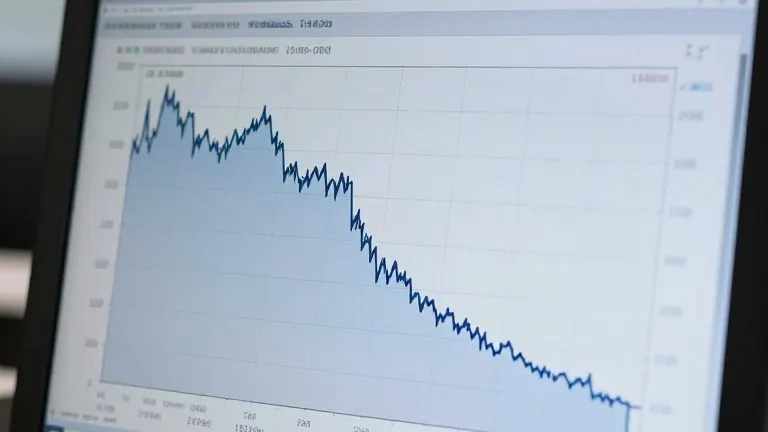
The Federal Reserve held interest rates steady on Wednesday, a move consistent with market expectations. However, the decision failed to reassure bond investors worried about the trajectory of longer-term government debt. The central bank left the benchmark rate unchanged but signaled that policy tightening is not yet complete.
The Fed changed its description of the economy from 'solid' in September to 'strong' in the current statement. Officials characterized business investment as robust and noted that job gains are keeping pace with labor force growth. This upgrade was intended to show that the economy has enough momentum to keep inflation near the target without an immediate rate hike.
Bond markets reacted negatively to the ambiguity in the Fed's forward guidance. The spread between 2-year and 10-year Treasury yields widened to 34.1 basis points. This steepening of the yield curve occurred after the curve had flattened over the previous several weeks. Yields on longer-dated Treasuries rose, pushing some yields to their highest levels in two decades.
Anders Persson, chief investment officer for global fixed income at Nuveen, linked the market move to persistent inflation risks. He stated, 'Ultimately, if we see strong growth, which (Fed Chair Kevin) Warsh is expecting, we're going to see more inflation, which means those fiscal deficit concerns and how to address them longer term become more relevant.' Persson argued that the strong growth narrative increases the relevance of the government's long-term borrowing needs.
Byron Anderson, head of fixed income at Laffer Tengler Investments, offered a different perspective on the selloff. He said, 'The bond market selling off is because the Fed is going to have a hard time raising rates much higher without causing issues somewhere.' This view suggests that investors are pricing in the limits of the Fed's ability to tighten policy further without triggering economic weakness.
Some market participants questioned the basis for the Fed's upgraded economic assessment. Brian Jacobsen, chief economic strategist at Annex Wealth Management, pointed to shifting data trends. He noted, 'The moving average of weekly payroll gains from ADP was trending up between the July and September meeting, but it has been trending down since.' Jacobsen added that the Atlanta Fed’s GDPNow forecast has shifted from 'white hot' to 'merely smoldering.'
Phil Blancato, chief market strategist at Osaic, advised clients to expect higher borrowing costs for the near term. He said, 'Investors should prepare for interest rates to remain elevated with the Fed focused on bringing inflation back towards its 2% target.' Financial markets are currently pricing in a potential rate increase in December, with further hikes expected in the following year.
Source: KELO
More Business · Watch Your Wallet · Report a business · Got a Story?