
ICE Deputizes 29,000 Local Police Officers
A new FWD.us report reveals a doubling in state and local immigration enforcement partnerships, with Florida and Texas leading the surge.
By Alejandro Ruiz ·
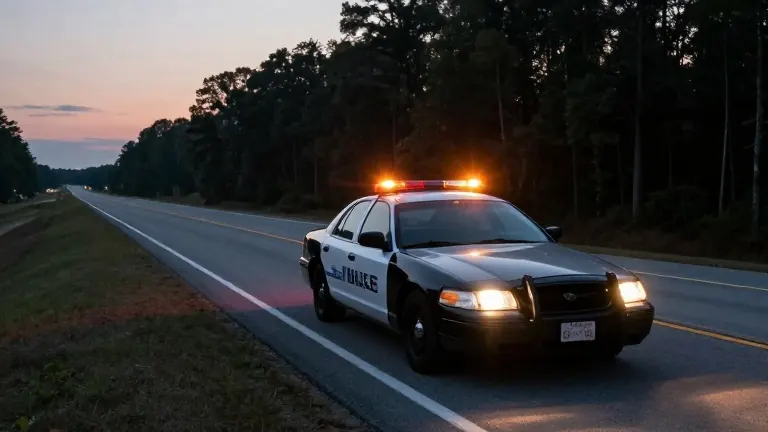
State and local police officers working alongside federal immigration agents have doubled in number over the last eight months. The Immigration and Customs Enforcement program, known as 287(g), now includes more than 29,000 deputized officers. This figure stands in sharp contrast to the 11,600 deportation officers directly employed by ICE. The data comes from a new analysis by the advocacy group FWD.us, released on October 28, 2026.
The report examined public records from ICE and data requested by the Deportation Data Project, a joint effort by UC Berkeley and UCLA. Between January 2025 and October 2026, the number of officers granted authority to enforce immigration laws through local partnerships expanded rapidly. Felicity Rose, vice president of research and policy at FWD.us, described these local officers as a key lever in the current administration's strategy. She noted that the approach has shifted from large urban raids in cities like Chicago and Minneapolis to routine highway stops conducted by deputized local police.
The most common form of these agreements is the Task Force Model. Under this arrangement, police and sheriff's departments gain the power to make immigration arrests. In exchange for maintaining active participation in enforcement activities, these agencies receive federal funds. The money is designated for purchasing new vehicles, equipment, and other resources for law enforcement. The Department of Homeland Security has identified 287(g) as a critical tool for reducing crime and illegal immigration.
Florida and Texas have driven a large share of the national activity. Together, these two states accounted for about half of the more than 47,000 immigration arrests made through the program between January 2025 and August 2026. Governors in both states mandated that local police sign these agreements. The aggressive enforcement tactics in these states have received widespread media attention in recent months.
States not typically associated with aggressive enforcement have also seen spikes in activity. In Wyoming, deputized officers made 77% of the state's total immigration arrests in April 2026. Since November 2025, the program has been responsible for more than 60% of arrests every month in that state. New Hampshire saw a similar trend, with the program accounting for 60% of immigration arrests in June 2026. In Oklahoma, close to 50% of immigration arrests in June were made by state or local police.
Oklahoma's Highway Patrol signed all of its troopers into the 287(g) program. This gave officers the power to stop drivers and potentially make immigration arrests on state highways. Gabriela Ramirez-Perez, an immigration and economic security policy analyst with the Oklahoma Policy Institute, said this has created a chilling effect on immigrant communities. She noted that people are changing their daily routines to avoid driving on highways as much as possible.
Financial incentives appear to be driving the surge in participation. The Justice Department offered $3 billion in funding to state and local agencies that join the program earlier this summer. These funds are available for staffing and new equipment over the coming years. Florida has already provided hundreds of millions of dollars in additional money to local law enforcement in exchange for their participation. Rose said the promise of money is likely to lead to more partnerships in the future.
Source: WBHM · original report published
More News · Birmingham news · Report a business · Got a Story?