
As winter nears, recognizing and treating seasonal depression
About 1 in 20 people in the U.S. experience seasonal affective disorder, and a psychiatrist outlines steps that can ease symptoms.
By Stephen Collins ·
As Central Alabama's days grow shorter, some residents may notice they feel sluggish, sleep more, crave carbohydrates, or lose interest in activities they usually enjoy. About 1 in 20 people in the U.S. have seasonal affective disorder, according to the American Psychiatric Association, and the condition typically lasts about 40% of the year.
The pattern traces back to psychiatrist Dr. Norman Rosenthal, who moved to the United States from South Africa in 1976 and noticed he felt less energetic during harsh winters. He studied the phenomenon and, in 1984, published the first research on the syndrome and coined the term seasonal affective disorder, or SAD. Rosenthal says symptoms often build gradually through the fall. "For example, it might be a little bit serious in September and a little worse in October and a little worse in November," he says. Women are about four times more vulnerable than men, and the condition is more common in the Northern Hemisphere.
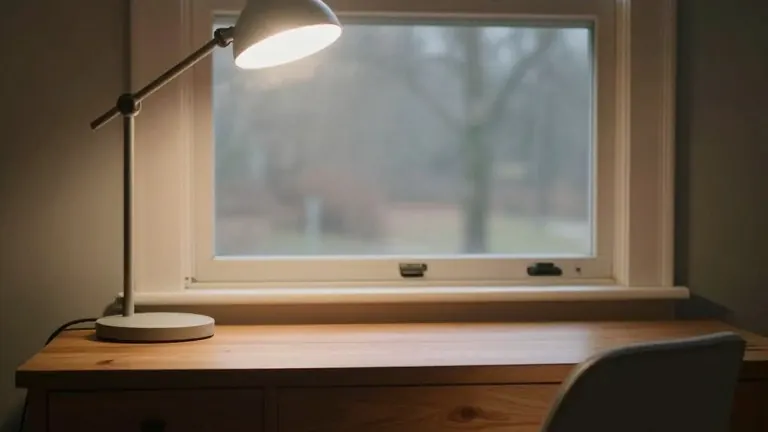
Rosenthal recommends light therapy lamps that produce about 10,000 lux, far brighter than indoor lighting. He positions the lamp so light falls from above, and says 20 to 30 minutes each morning can produce a difference within two weeks. He also urges people to get outside for natural light, trim overgrowth around windows, and clean window panes to let more light through.
Emily Manoogian, a clinical researcher at the Salk Institute for Biological Studies, says people with SAD often have a delayed circadian rhythm, and that eating times can help set it. She advises stopping eating three hours before bed and keeping meals within a consistent 10- to 12-hour window. Exercise during active hours can also signal the body's internal clocks, she says.
Rosenthal identifies three main causes of SAD: genetics, lack of light, and stress. He suggests bright room colors, photographs, therapy, meditation, and planned enjoyable activities to reduce stress. He says medication can be effective if symptoms interfere with work or personal relationships. "It's not a cure, but .. sometimes the SAD dies of neglect," Rosenthal says.
Source: WBHM · original report published
More News · Birmingham news · Report a business · Got a Story?