Oil Giants Post Record Earnings Amid Supply Shocks
ExxonMobil, Shell, and Chevron reported quarterly profits totaling over $36 billion as conflicts disrupted global supplies.
By Stephen Collins ·
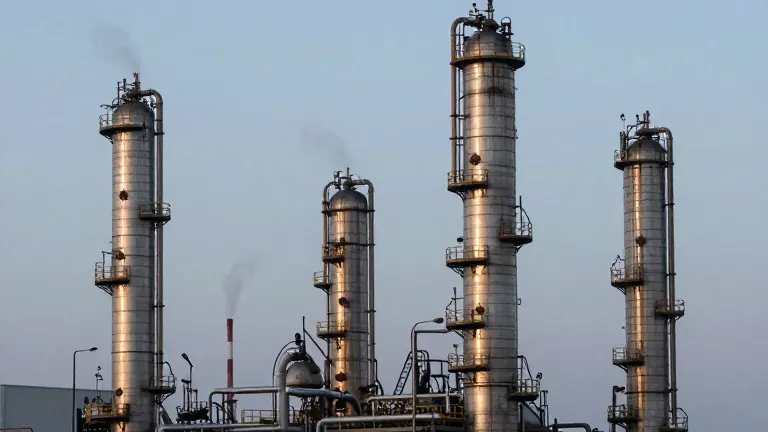
Oil companies reported billions in earnings this week.
ExxonMobil reported $15.4 billion in earnings for the quarter, more than doubling its results from the same period last year. Shell reported $10.8 billion, nearly double its prior earnings, while Chevron reported $9.9 billion, up 180%. The three companies combined for just over $36 billion this quarter.
The earnings follow the war in Iran, which has disrupted global oil supplies. Because less oil moves through the Middle East, crude from other regions has risen in value. Brent crude trades around $113 a barrel. Before the war began, it traded at about $70 a barrel. Demand for gasoline, diesel, and heating oil has not changed much. AAA reports gasoline now costs about $1.20 more per gallon than a year ago. Diesel reached a record high in September and remains near that level.
Dan Pickering, founder of the financial services firm Pickering Energy Partners, said large oil companies profit as they meet demand. "The majors are able to sell their barrels that they produce in the U.S. or Latin America or Europe for much higher prices," he said. "So the Middle East's loss is generally the gain of oil and gas companies in the U.S. and Europe."
Company executives told investors that a portion of profits will return to shareholders through dividends and stock buybacks. Shell announced one of its largest buybacks ever. Exxon announced its highest-ever quarterly dividend. Pickering said these firms are not spending on new drilling projects because they recognize the unusual market conditions. "This is a period where the high prices are driven more by geopolitical events than anything else," he said. "You put the money in the bank and watch to see what happens as we move into 2027."
Exxon CEO Darren Woods addressed fuel prices on an earnings call. "We recognize the impact high prices have on people's lives and economic growth," Woods said. He said Exxon's response is to boost production. "With products in short supply, our teams have done everything they can to keep prices down by maximizing production," Woods said. Chevron CEO Mike Wirth told investors, "What we can do is what we can control, and that's help consumers get as much as they possibly can out of our systems."
Democrats in both chambers of Congress have proposed taxes on windfall profits. Bills introduced this spring would return some of those profits to Americans through tax rebates. Senator Sheldon Whitehouse, a Democrat from Rhode Island who sponsored a Senate bill, said he hopes the measure will also show that renewable energy costs less than fossil fuels. "Wind, solar, and battery power, they're not raising their prices," Whitehouse told NPR. Isabella Weber, an economist at the University of Massachusetts Amherst, studies how other countries have used such taxes. "The companies that are running this essential sector have been reaping record profits amidst the worst energy supply crisis that we have had in several decades," Weber said. "When emergencies generate massive windfall profits," she continued, it creates "this crazy situation where the worst of times ends up being the best of times, which is problematic on a deeper level." The Trump administration has loosened federal rules for dyed diesel used in farming and lifted sanctions against Russia to allow more diesel into the world market. The amount of fuel Russia can release would make up only a small portion of U.S. daily demand, and dyed diesel is still not accessible to most drivers. Significantly lower prices are unlikely to materialize by Tuesday.
Source: WBHM · original report published
More Business · Birmingham news · Watch Your Wallet · Report a business · Got a Story?