Lemont District 113A Sets November 3 Vote on 36-Cent Rate Hike to Raise $6 Million Yearly
Superintendent Dr. Courtney Orzel released a question-and-answer document explaining why the district chose a permanent operating increase over a construction bond.
By Alejandro Ruiz ·
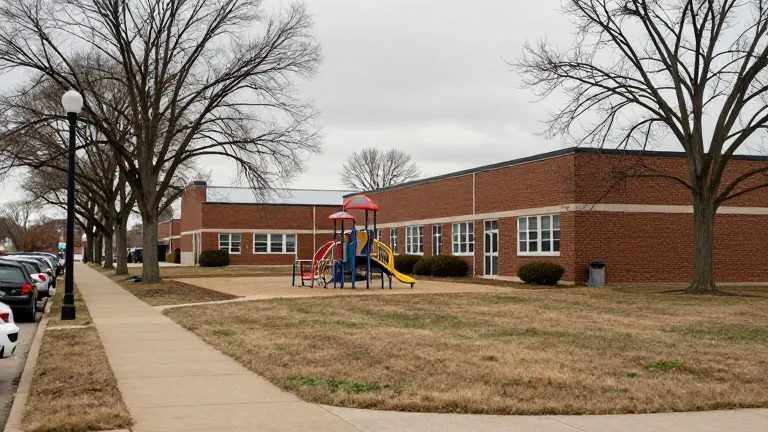
Voters in Lemont will decide November 3 on a proposed 36-cent limiting rate increase for School District 113A.
Superintendent Dr. Courtney Orzel published a set of answers to common questions about the proposal. The document states the increase would generate roughly $6 million each year. The district plans to spend that money on financing for construction, teacher and support staff salaries, utilities, and other operating costs.
The district estimates $40 million to $45 million in capital costs for additions at its four schools. It would build about 40 new classrooms: 7 at Oakwood, 7 at River Valley, 14 at Central, and 12 at Old Quarry. Orzel's document says a building bond referendum would pay for construction but not for the staff and upkeep those rooms require. The district has about 2,730 students and spends about $6,500 less per student than the Illinois average, which comes to nearly $18 million less per year than a district of the same size at the statewide average. Even with the new revenue, the district would still run about $12 million below that comparison. Operational spending sits near $13,500 per student, which Orzel's document places in the lowest 20% of Illinois districts.
The district's history with operating rate increases is short. Voters approved one in 2021, the first since 1977, which set a limiting rate of $2.124 beginning with the 2021 levy year. A 1994 bond referendum paid for construction of Old Quarry Middle School but did not raise the operating rate. The 2021 measure funded the reopening of Central School, full-day kindergarten, and class-size needs. If voters approve the 2026 measure, it would be the third permanent operating increase in 50 years.
Enrollment in District 113A has grown about 26% over the past decade. Orzel's document states that if the referendum fails, the district will keep operating inside its current buildings and budget, with larger class sizes and fewer dedicated instructional spaces as enrollment climbs. The document also explains that taxing bodies in Cook and DuPage counties cannot collect more money when existing property values rise. New development is the only source of additional revenue in those counties.
The Board of Education has committed to adjusting the tax levy so the measure brings in the $6 million needed and no more. When the board placed the question on the ballot, the financial figures required for the ballot language were nearly two years old. Cook County's second-installment tax bills had not been finalized at that point. The board adopts its levy in December, when newer assessment data will be available.
Orzel's document also addresses conflicting information found online and states the district's role is to provide accurate information about its finances. The district holds the state's highest financial recognition for 14 consecutive years and operates under a balanced budget policy.
Source: Hoover Patch · original report published