Regions Bank Launches Fraud Awareness Push in Central Alabama
The bank partners with the ABA to teach customers how to spot scams, noting that scammers stole an estimated $68 billion from Americans.
By Emma Foster ·
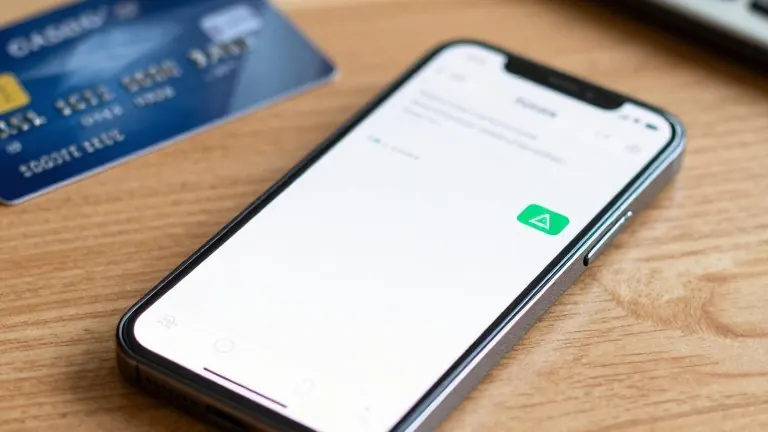
Scammers stole an estimated $68 billion from Americans, according to data from the American Bankers Association. In response, Regions Bank has joined forces with the ABA for National Cybersecurity Awareness Month. The initiative is part of the #BanksNeverAskThat campaign, which aims to turn everyday consumers into vigilant scammers. The core message is simple: your bank will never ask you for sensitive personal credentials.
David Parker Jr., a Fraud Detection supervisor at Regions Bank, said education is key to stopping scams before they escalate. He noted that the bank wants to protect customers, the public, and loved ones from becoming victims. Fraudsters often target vulnerable populations using high-pressure tactics. They impersonate trusted institutions to trick individuals into handing over account numbers, passwords, PINs, or Social Security numbers.
Jeff Taylor, senior vice president in the Regions Corporate Banking Group, called the campaign a vital line of defense. He explained that the ABA’s message teaches consumers how to be their own first line of defense. Taylor added that the campaign reminds people of the dangers of phishing scams. He said Regions participates because it is dedicated to fighting fraud year-round.
Kimberly Reece, financial crimes customer advocacy manager at Regions Bank, said scammers use phishing attacks to gain trust and access personal information. She outlined six defensive moves for consumers. These include blocking persistent numbers, hanging up on callers who demand secrecy, and deleting unverified emails with random attachments. Reece also advised ignoring messages that demand immediate data disclosures. Customers should report suspicious activity to their bank and verify contact through official channels.
Regions Bank promotes a specific methodology called STOP, CALL, CONFIRM. First, customers should stop and evaluate if they were expecting the message. Next, they should call the official customer service number found on their debit card or bank app, rather than replying to the suspicious contact. Finally, they should confirm the issue with a representative. The bank advises never to click links in questionable emails or call numbers provided in alerts.
Common red flags include demands for urgency or secrecy. Scammers often try to manufacture panic by claiming an account will be closed immediately. They may also ask for sensitive data like online banking passwords or One-Time Passcodes. Suspicious links and attachments are another warning sign, as they can download malware or direct users to spoof sites. The bank encourages people to trust their instincts when something feels off.
If a customer suspects they have been targeted by a scam, they can visit regions.com/STOPFRAUD. They can also speak directly with their local Regions banker. The bank continues to upgrade backend security protocols while relying on consumer awareness as a primary shield. The campaign runs throughout October to mark National Cybersecurity Awareness Month.
Source: Yellowhammer News · original report published
More Business · Birmingham news · Watch Your Wallet · Report a business · Got a Story?