Gaza Shelter Gap: 1.5 Million Displaced Residents Await Winter
With only 18% of families receiving aid and drainage systems at 20% capacity, residents face a fourth winter of storms in makeshift structures.
By Stephen Collins ·
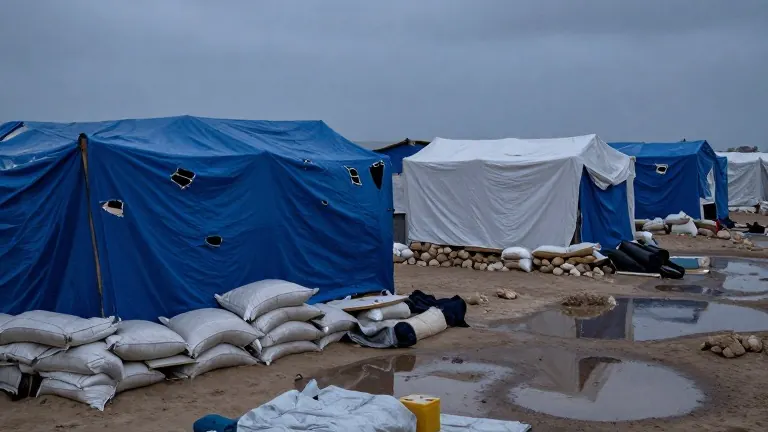
1,500,000 people in Gaza are living in tents or makeshift shelters as the enclave prepares for its fourth winter of displacement. This figure represents approximately two-thirds of the territory’s total population of 2.3 million, according to data from the Office for the Coordination of Humanitarian Affairs. The sheer scale of temporary housing defines the current living conditions for most residents.
The winter months bring temperatures that can drop to 7C, a figure that feels lower due to strong coastal winds and rain. For displaced families, this weather tests the structural integrity of shelters that have already sustained years of damage. The lack of permanent housing leaves residents vulnerable to flooding and wind every time a low-pressure system approaches the coast.
Mohammed al-Jamal, a 60-year-old resident of a beach camp in western Gaza City, has been displaced multiple times since the war began in October 2023. He and his sons spend their time fastening tarpaulin sheets to the ground in an attempt to secure their family’s worn-out tent. Al-Jamal stated that the family cannot afford a replacement tarpaulin, which costs between 120 and 150 shekels in local markets.
“We are trying to prepare as much as we can to protect ourselves from the water and the wind,” al-Jamal said. He noted that after each storm, the shelters are often torn apart, forcing residents to repeat the repair process. He described the ongoing cycle as continuous suffering throughout the winter months.
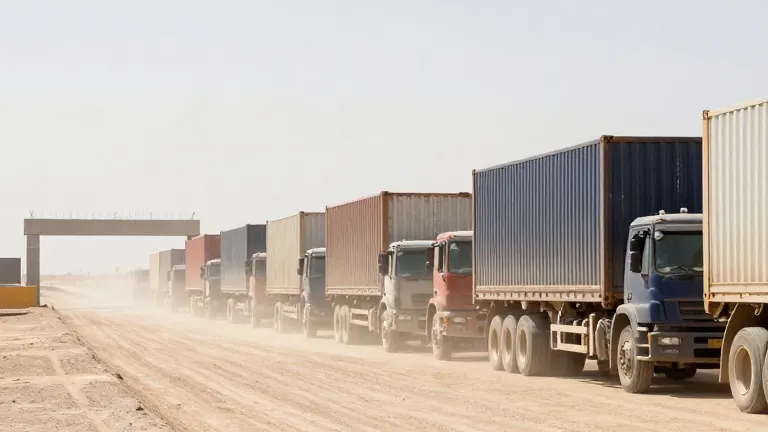
According to the Shelter Cluster, more than 65 percent of displaced households live in tents or makeshift shelters. Of those, more than half are in poor or very poor condition. The Norwegian Refugee Council reported on October 5 that at least 500 truckloads of shelter materials are awaiting entry into Gaza. At the current rate of procurement and entry, the organization estimates it will take more than seven months for these supplies to reach residents.
The infrastructure supporting these camps is also deteriorating. Husni Muhanna, spokesperson for the Gaza Municipality, reported that more than 85 percent of the city’s infrastructure has been damaged. The rainwater drainage system is currently operating at only 20 percent of its previous capacity. Rubble and a shortage of heavy machinery and fuel are slowing emergency cleaning efforts, increasing the risk that rainwater will mix with wastewater and swamp the camps.
Khitam Salman, 39, from northern Gaza, has dealt with similar challenges. She reported that her family’s tent has collapsed four times while they were sleeping inside. Sand enters through tears in the fabric, and rain soaks their belongings. Her husband works in the health sector but receives his salary only once every three months. Salman stated that the tents are no longer suitable for living, as they offer little protection from the elements.
Yosra Mesleh, 45, is preparing for her second winter in a tent after her home in Gaza City was destroyed. She recalled that last winter, rainwater reached her bedding, leaving her family without a dry place to sit or cook. Her husband has been unemployed since the start of the war, and the family lacks a regular supply of cooking gas. Mesleh said the current living situation is neither healthy nor safe for either summer or winter conditions.
The gap between need and aid is stark. OCHA data indicates that 294,250 families require winter shelter assistance. Currently, only 52,000 families have access to partial humanitarian assistance, a coverage rate of roughly 18 percent. Residents like al-Jamal and Salman continue to patch their shelters with limited resources, waiting for the storm season to pass without a permanent solution in sight.
Source: Al Jazeera